The Buffalo football roster conversation rarely slows down. Every offseason brings new questions about which positions need reinforcement, how much emphasis should go toward athletic testing versus game-ready production, and whether the modern skill set required for success has fundamentally changed the way depth is evaluated. The reality is less dramatic than headlines suggest but requires a more disciplined approach than simply adding bodies to a practice squad.
Evaluate True Athletic Versatility Before Labeling a Player a Fit

One of the most overlooked dimensions in roster construction is raw functional athleticism. Players who demonstrate ability across multiple movement patterns consistently provide more schematic flexibility. A linebacker who can cover space like a safety and a wide receiver who can shed contact like a ball carrier both carry disproportionate value relative to their draft position or contract figure. The trade-off is real: highly versatile athletes sometimes lack the one-dimensional dominance that wins immediate starts. Teams must decide whether they are building for rotational depth or anchoring a single role.
Strength Requirements Differ Dramatically by Position Group
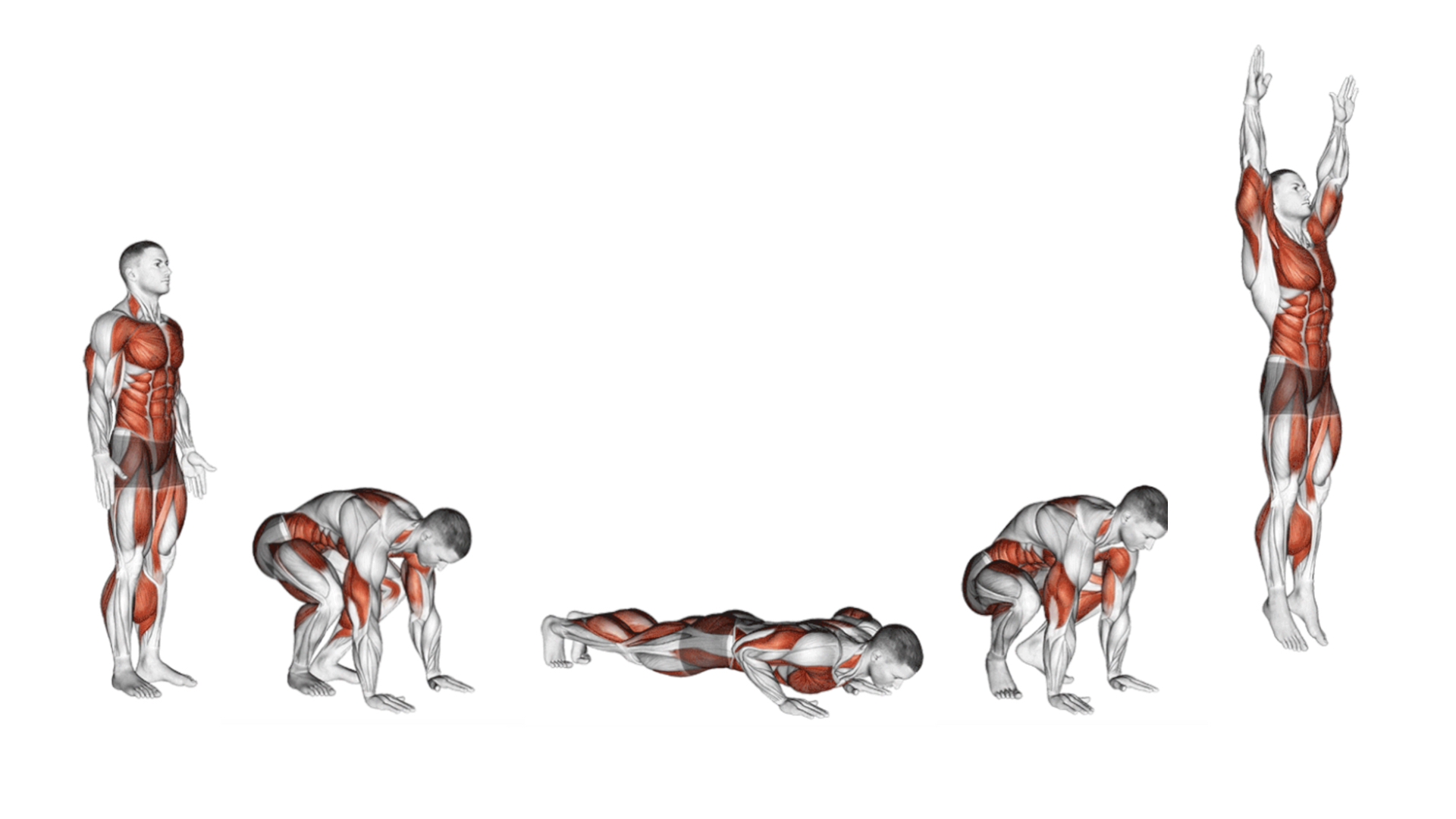
The oblique and core musculature displayed in functional anatomy references matter far more for certain roster slots than others. Linemen and linebackers rely on rotational stiffness and anti-extension capacity to maintain leverage through repeated contact. Skill position players prioritize different attributes such as acceleration, deceleration control, and change-of-direction speed. A uniform strength-and-conditioning philosophy does not serve every roster spot equally. Recognizing these differences early prevents wasted conditioning resources and helps management project which developmental projects have legitimate positional ceilings.
Weigh the Costs of High-Effort Conditioning Programs
Modern cross-training methods offer undeniable benefits for general work capacity and recovery resilience. Burpee-based circuits, kettlebell flows, and metabolic conditioning drills prepare players for the repeated-contact demands of professional play. However, these programs carry real trade-offs when applied indiscriminately across an entire roster. The primary risk is accumulated fatigue that compromises technique during position-specific practice. When players are gassed in individual drills, injury risk rises and skill development plateaus. Successful organizations schedule high-intensity metabolic work in controlled blocks rather than spreading it evenly across every training day. The result is sharper technique at critical moments and fewer soft-tissue setbacks late in the season.
Structure Depth Chart Decisions Around Clear Criteria
- Prioritize positions with higher turnover rates: special teamers and backup skill roles cycle frequently due to injury and usage demands, making depth investing at those spots a reliable strategy.
- Compare college production against NFL movement metrics: frame counts, route running efficiency, and burst data often predict transitions better than high school or collegiate box scores alone.
- Budget for developmental upside carefully: younger players with strong athletic profiles can develop rapidly, but projections based purely on measurables frequently overestimate near-term contributions.
- Maintain positional parity without forcing balance: roster building succeeds when organizational needs drive decisions rather than artificial quotas across every field position.
Set Realistic Expectations for Roster Turnover Each Cycle
A complete roster overhaul happens rarely in competitive conditions. Most successful seasons rest on continuity at quarterback and offensive line, supplemented by targeted upgrades at pass rush, secondary depth, and special teams contributors. The trend-aware observer should expect incremental roster evolution rather than dramatic transformation. Early-season surprises usually stem from preseason performance misdirection or coaching adjustments, not systemic roster replacement. Patience in evaluating midseason roster moves tends to separate informed analysis from reactive commentary.
Make Practical Roster Choices That Hold Up Under Pressure
The Buffalo football roster will always reflect competing priorities: immediate competitiveness versus long-term asset management, proven performance versus developmental ceiling, and specialty role value versus overall athlete quality. No single framework resolves every tension perfectly. The most effective approach combines position-specific athletic evaluation, honest assessment of conditioning program limits, and structured depth chart priorities anchored to actual team needs. Readers tracking roster movement should focus on how organizations allocate limited practice reps, manage conditioning load, and justify positional investments rather than chasing headline signings. Sustainable roster construction rewards patience and disciplined resource allocation far more than reactive splashes.
