If you were one of the millions of curious sports fans searching for "donde fue el mundial 2022" right before the first match, you weren't alone. The tournament broke new ground—literally and figuratively—by taking place in a region that had never hosted such a massive international gathering. For many beginners, the biggest discovery was simply pinpointing Qatar on the map and understanding exactly what made this World Cup so different from every previous edition. Let's walk through the biggest questions and surprising findings that made this tournament unforgettable.
When Your First Question Was a Geography Lesson
The most immediate pain point for the average viewer was the simple location. Qatar is a small peninsula jutting into the Persian Gulf, often overlooked on a world map dominated by its giant neighbors, Saudi Arabia and the United Arab Emirates. Unlike previous tournaments held in sprawling nations with vast distances between host cities, this was a compact event. The entire country fits snugly into an area smaller than the state of Connecticut. For beginners, this solved a huge logistical question: how could fans see multiple matches? The answer was that you could theoretically stay in one hotel and commute to every single stadium in under an hour. This unique geography turned a common world cup headache into a streamlined, fan-friendly solution.
Stadiums as Next-Generation Landmarks

When people finally understood "donde fue el mundial 2022," their next question became: what was there to see? The answer came in the form of breathtaking stadium architecture. Think of them as new, world-class landmarks dropped into a desert landscape. Lusail Stadium, the centerpiece, was designed to evoke the interplay of light and shadow found in traditional Arabic lanterns. Al Janoub Stadium took inspiration from the sails of traditional dhow boats. For the curious beginner, each venue became a compelling destination in itself, showcasing a level of design rarely seen in a single tournament. These weren't just concrete bowls; they were instantly recognizable sculptures that solved the visual identity of the tournament.
Bridging the Old and the New: Discovering Ancient History
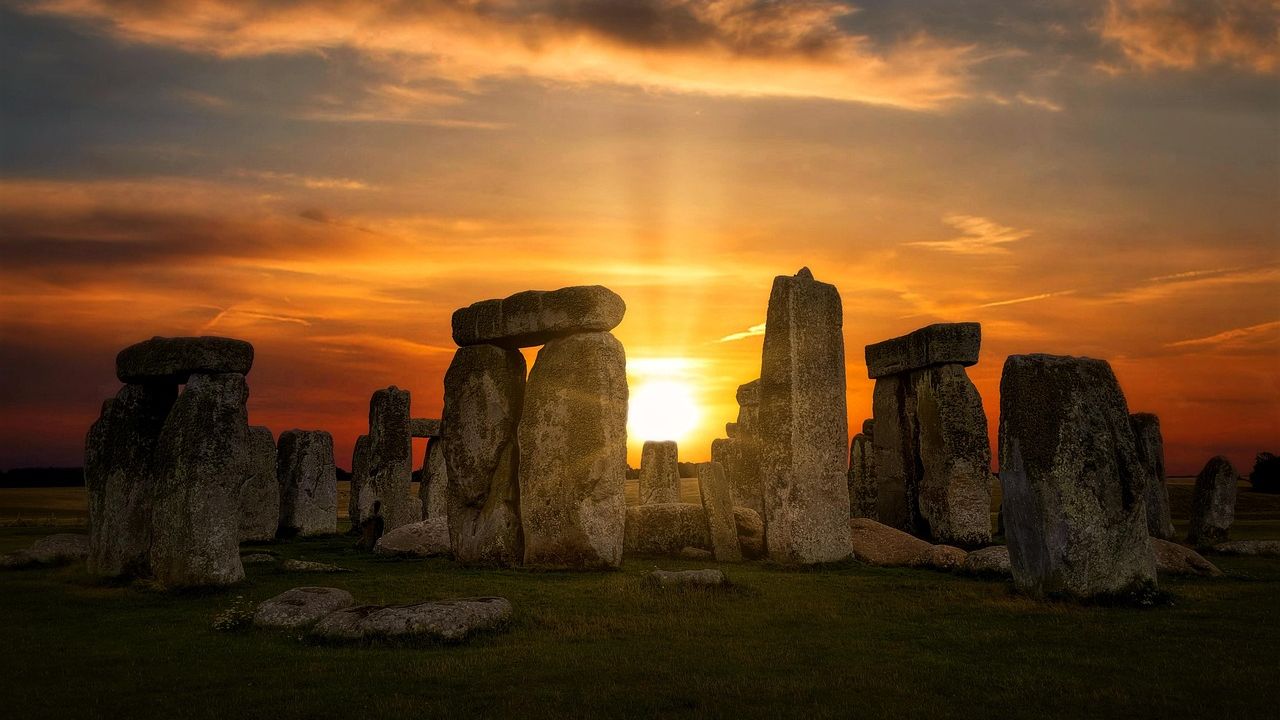
Of course, a football trip isn't complete without a little exploration. Many assumed the tournament zone was purely a high-tech construction site, but the surrounding area is steeped in millennia of history. Visitors stepping off the plane found themselves in a region where ancient trade routes crossed and civilizations collided. While the stadiums represented the hyper-modern side of the event, a short trip offered a glimpse into the deep, layered past of the Arabian Peninsula. This gave fans something they might not have expected: a history lesson alongside the football. It directly answered the "is there anything else to do?" question that many casual travelers were asking.
Adapting to the Desert Climate
Another major "pain point" for the 2022 World Cup was the weather. People familiar with summer World Cups had to completely shift their mindset. The tournament was held in November and December, breaking a century of tradition. This wasn't just a random choice—it was a direct solution to the intense Qatari summer heat. However, the timing meant the group stage fell at the peak of the European club season, which created a new kind of friction. For the fan in the stands, though, the conditions were ideal. The combination of clever scheduling and technology made for a comfortable experience:
- Cooler evenings: Most matches kicked off after sunset, allowing the desert air to cool down naturally.
- Innovative cooling: Several stadiums used state-of-the-art air conditioning to keep players and fans perfectly comfortable.
- Compact schedule: Games were packed into a tighter window than usual, keeping the momentum high throughout the group stage.
The solution to the climate problem resulted in a World Cup experience that felt crisp, clear, and entirely different from the typical summer slog of previous tournaments.
Why Finding the Answer Was Worth the Trip
For anyone who typed "donde fue el mundial 2022" into a search engine, the journey from total curiosity to real understanding was a rewarding one. The tournament proved that the World Cup doesn't have to follow the same old patterns. By solving problems like extreme distances and stifling heat with bold choices, Qatar delivered a championship that was intimate, fast-paced, and visually stunning. Whether you watched from your living room or traveled to the stadiums, learning exactly where the event was taking place—and getting to know the unique landscape and culture of the host country—added a layer of depth to the 2022 championship that previous tournaments simply couldn't match.
