For anyone who has spent their weekends glued to the TV during the US Open, there is a specific kind of tension that comes with rooting for a new face. We want to believe in the underdog, but we fear the crushing disappointment of a premature exit. Emma Navarro has become the focal point of this emotional rollercoaster, representing a shift in the American tennis landscape that feels both refreshing and inevitable. Her steady climb through the rankings isn't just about trophies; it's about a specific brand of resilience that resonates with anyone trying to make their mark in a crowded field.
Why does Emma Navarro feel like a breath of fresh air?
Most fans are used to the "boom or bust" cycle of young American players—the flashing brilliance followed by a sudden slump. Navarro breaks this mold. Her game is built on a foundation of tactical intelligence and a refusal to beat herself. For the everyday viewer, the benefit of watching her is the stability she brings to the court. She doesn't rely on raw power alone; she plays the percentages, moving her opponents side-to-side and waiting for the right moment to strike.
However, this methodical approach comes with a caution: it can sometimes feel slower than the high-octane style of some of her peers. While her consistency is her greatest strength, the challenge remains whether she can find that "extra gear" when facing the absolute elite of the sport in high-pressure finals.
How did the matchup against Jessica Pegula highlight her growth?
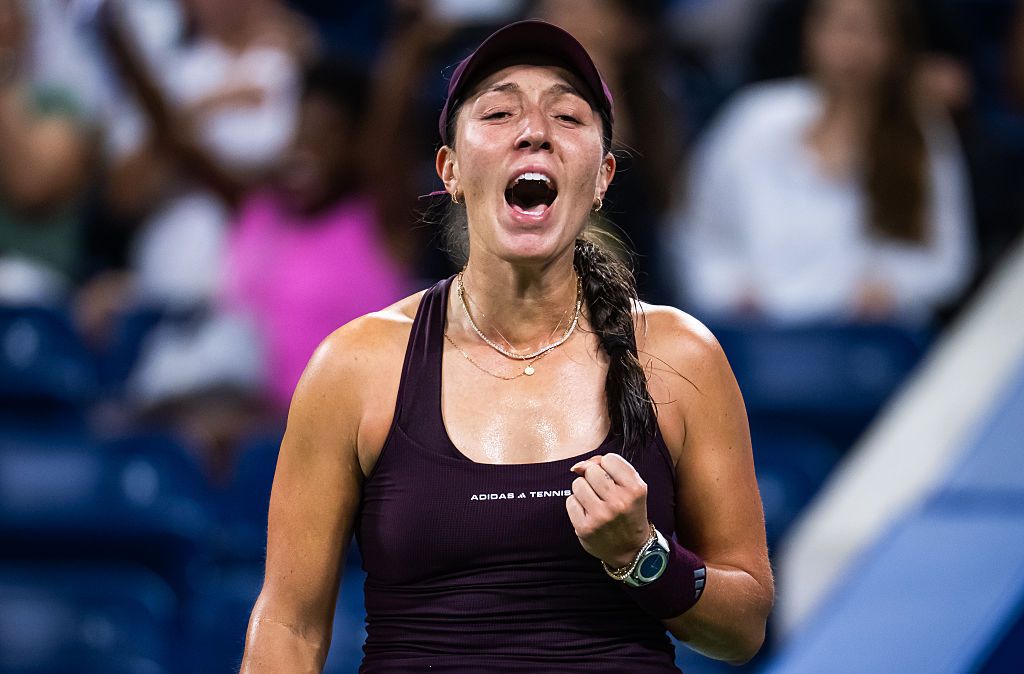
When Emma Navarro stepped onto the court against a seasoned veteran like Jessica Pegula, it wasn't just a match—it was a litmus test. For fans, the pain point here is the uncertainty of whether a rising star can handle the psychological warfare of a Grand Slam quarterfinal. Seeing Navarro maintain her composure under the bright lights of New York proved that she possesses the mental fortitude to match her physical skill. This victory served as a signal that she is no longer just a "promising" player, but a legitimate contender who can dismantle an established top-tier opponent.
Can her tactical approach solve the consistency problem?
The struggle for many tennis enthusiasts is finding a player they can consistently root for without worrying about a sudden collapse in form. Navarro addresses this by treating tennis like a chess match. Her ability to adapt mid-game allows her to neutralize heavy hitters. By focusing on placement over power, she reduces the number of unforced errors that often plague younger players.
While this strategy is highly effective, there is a risk of becoming too passive. To move from the top 20 into the top 10, she will likely need to integrate more aggression into her baseline game. The balance between "not losing" and "winning" is a thin line that every great champion must eventually walk.
What do the stats tell us about her trajectory?

Looking at the data, the trend line for Emma Navarro is pointed sharply upward. From her collegiate success to her professional breakthrough, the numbers reflect a player who is systematically removing weaknesses from her game. Whether it is improving her first-serve percentage or increasing her win rate on hard courts, the progress is measurable. For the fan, this data provides a sense of security; her success isn't a fluke or a "hot streak," but the result of a disciplined, long-term plan.
What should we expect from her in the coming seasons?
The road ahead involves facing a gauntlet of international stars who are equally hungry. The primary concern for any follower of her career will be injury management and the grueling nature of the WTA tour. The physical toll of playing deep into tournaments can lead to burnout if not managed carefully.
Despite these risks, the potential upside is immense. Emma Navarro represents a new era of American tennis—one defined by poise, precision, and a quiet confidence. As she continues to refine her game, she isn't just chasing rankings; she is redefining what it means to be a modern competitor on the world stage.
