Monday Night Football remains a cornerstone of American sports broadcasting, blending high-stakes NFL action with diverse audience engagement strategies. Understanding its structure, accessibility, and viewer options requires analyzing both traditional and alternative approaches to coverage. This overview explores practical scenarios, selection criteria, and logistical details for fans seeking optimal access.
Alternative Broadcast Options for Enhanced Viewing

ESPN’s integration of Pat McAfee as an alternate commentator highlights evolving strategies to cater to niche audiences. This format offers a more casual, personality-driven analysis compared to traditional play-by-play broadcasts. Viewers prioritizing entertainment alongside game coverage may prefer this option, while others rely on conventional commentary for in-depth tactical insights. Evaluating these alternatives requires balancing content style with informational needs.
Navigating Game Schedules and Availability
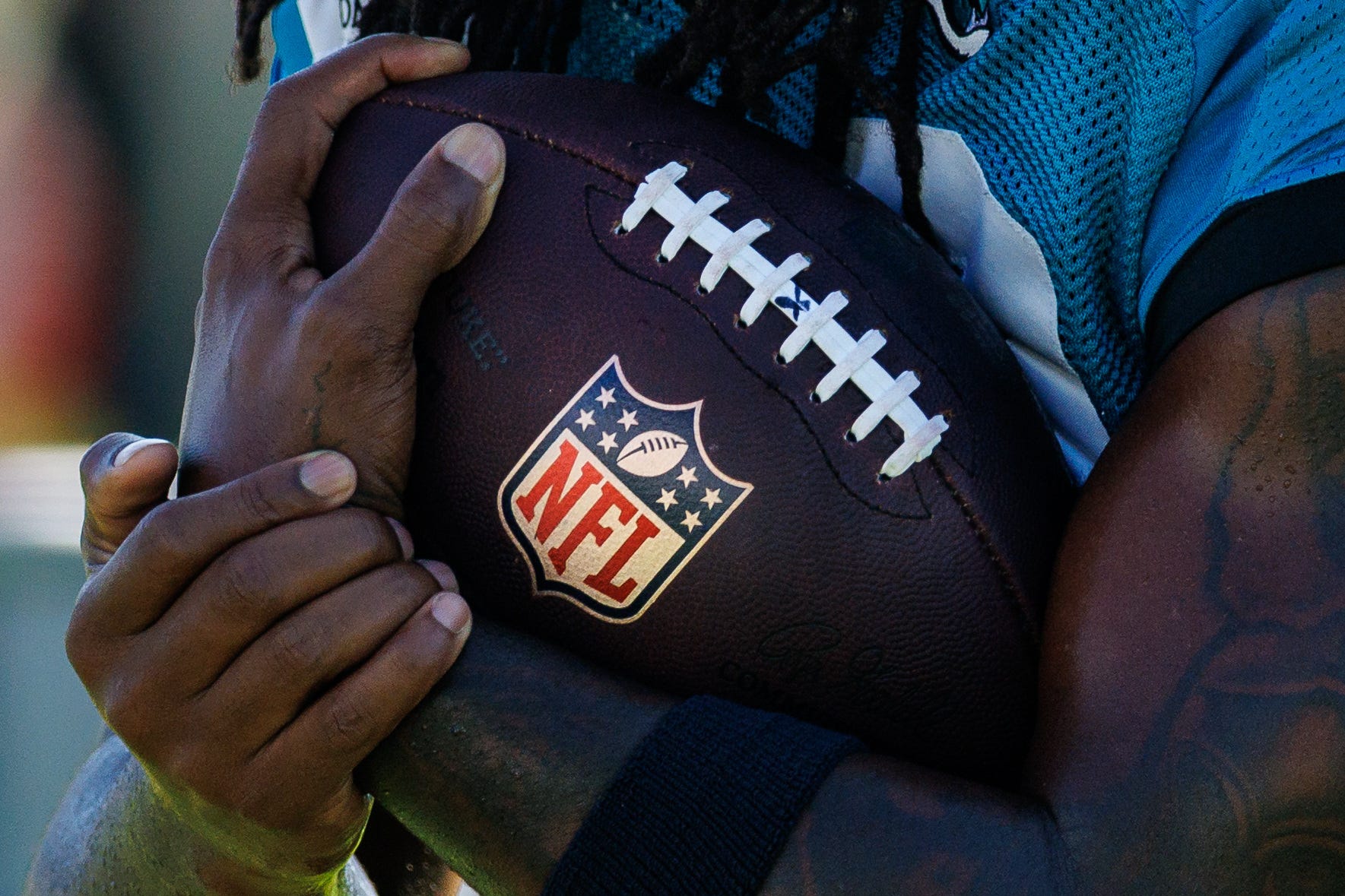
Confirming whether Monday Night Football is airing involves verifying NFL schedules, which can shift due to playoff scenarios, weather, or special events. Resources like AOL’s game-day guides provide real-time updates, ensuring viewers avoid outdated information. For instance, a Monday game might be rescheduled to a different weekday, altering broadcast plans. Subscribers should cross-check official NFL announcements and network schedules to align with their viewing preferences.
Accessibility Across Platforms and Devices
Modern Monday Night Football consumption spans multiple platforms, including cable TV, streaming services, and mobile apps. Traditional broadcasters like ESPN offer live television, while services such as ESPN+ or Amazon Prime Video cater to cord-cutters. Viewers must assess factors like internet bandwidth, geographic restrictions, and subscription costs when selecting a platform. For example, international fans may rely on satellite providers or licensed streaming partners to access live games without latency.
Strategic Selection of Coverage Formats
Choosing the right coverage depends on audience priorities. Casual viewers might prioritize social media highlights or post-game analysis, while analysts or bettors require real-time statistics and expert breakdowns. Some fans opt for multi-angle camera feeds or interactive features available through premium subscriptions. Evaluating these options involves weighing cost, content depth, and technical requirements to match individual viewing habits.
Logistical Considerations for Live Viewing
Live broadcasts demand attention to technical and environmental factors. High-definition streaming requires stable internet connections, while outdoor viewing necessitates weatherproof equipment. Additionally, time zone differences can affect broadcast times, prompting fans to adjust schedules or utilize recording features. For instance, a West Coast viewer may need to watch a delayed airing to accommodate local time constraints, impacting the immediacy of the experience.
