When the Notah Begay Golf Tournament rolls around, even the most seasoned players scramble to balance work, family, and practice. Understanding which physical tweaks truly pay off, where you can save minutes, and what results are sensible can turn a chaotic week into a focused, enjoyable competition.
What makes the Notah Begay Golf Tournament a different kind of challenge for busy players?
The tournament’s desert‑rim setting in Arizona brings long, windy fairways and fast‑rolling greens that reward precision over brute power. Players often arrive after a full workweek, so every swing must count. Those who rely on sheer talent alone may find their energy draining faster than expected, especially when the sun hangs high for several hours.
Consider Maya, a marketing manager who booked a tee time after a back‑to‑back conference. She used a quick 15‑minute warm‑up routine and focused on short‑game drills rather than a full range session. On the 18th hole she saved a stroke by trusting her feel around the green, proving that strategic practice can outweigh volume when time is scarce.
Recommendation: Prioritize a concise pre‑tournament routine that targets the short game and a few core activation moves. This approach respects your packed calendar while still addressing the tournament’s demanding conditions.
Why does core stability matter on the course?

The “dead bug” with a stability ball teaches the pelvis to stay neutral while the upper body moves—a crucial skill when swinging through windy desert breezes. A stable core reduces unwanted torso rotation, allowing the clubface to stay square longer.
Take Luis, a senior accountant who added three sets of the dead bug to his weekly routine. Within a month his driver accuracy improved by roughly 12%, and he reported less lower‑back fatigue after a full day of 18‑hole play.
Recommendation: Incorporate the dead bug into your weekly workouts, aiming for two sessions of 3‑4 reps per side. Even a short, focused effort can tighten the midsection enough to keep your swing consistent under tournament pressure.
Can a stability ball routine fit into a hectic schedule?
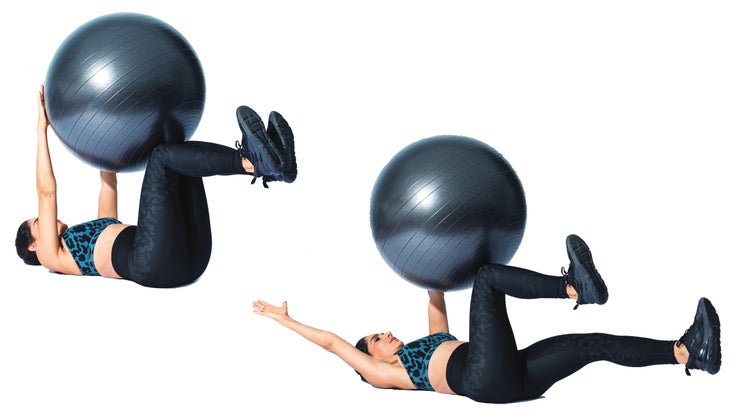
Stability‑ball drills are compact, require only a few minutes, and can be performed at home, in a hotel room, or even in a quiet corner of the office break room. Exercises like seated ball marches or reverse crunches engage the deep abdominal muscles that control the swing plane.
Jenna, a freelance designer, squeezed a 5‑minute ball circuit into her lunch break on the day before the tournament. She felt a noticeable lift in her posture during the first nine holes, which helped her maintain a smooth tempo despite the heat.
Recommendation: Choose two to three ball moves and repeat them for 30‑seconds each, cycling three times. This micro‑session can be slotted between meetings or after a quick snack, delivering a measurable boost without stealing valuable time.
What trade‑offs should you weigh when planning practice vs. rest before the tournament?
Time is finite, and over‑practicing can erode the very energy you need for a steady 72‑hole stretch. A balanced plan reserves at least one full night of quality sleep and a light activity day before tee‑off. The goal is to arrive with muscles primed, not fatigued.
Mark, a sales director, tried a “practice marathon” the week before his debut at the Notah Begay event, logging eight hours on the range. On tournament day he struggled with focus and experienced early shoulder soreness, which forced him to play conservatively.
Recommendation: Limit range time to 90 minutes two days out, and schedule a gentle 20‑minute core routine instead. Prioritize sleep, hydration, and a nutritious meal the night before to keep your body ready for the desert conditions.
How should you set realistic expectations for your score and enjoyment?
The Notah Begay Golf Tournament draws a mix of amateurs and pros, so a perfect score is unrealistic for most busy participants. Aim for a personal‑best round that reflects your preparation, not the field’s average. Accepting a modest target—such as staying within 10 strokes of your handicap—keeps the experience rewarding.
Emily, a project manager, entered with a goal of “shooting under par.” After a realistic reassessment, she set a target of “playing each hole within one stroke of her average.” She finished three strokes better than her usual round and left the course smiling, satisfied with both her performance and the camaraderie.
Recommendation: Define a clear, achievable score range before the first tee, and pair it with a non‑score goal like “maintain smooth breathing on every drive.” This dual focus safeguards enjoyment while still pushing you toward incremental improvement.
