The Notah Begay Junior Tournament draws the nation’s most promising youth lacrosse talent, and every team knows that preparation extends beyond the field. From core stability drills to the right cleats, the choices you make can tip the balance between a hard‑fought win and an early exit. Below are scenario‑driven comparisons that help coaches, parents, and players decide what to prioritize when the tournament week arrives.
Scenario 1 – Core Conditioning for the Opening Game
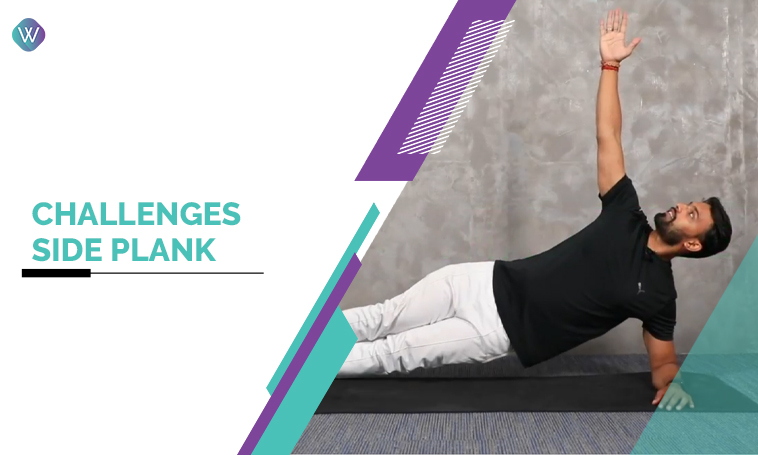
A solid core is the foundation for quick direction changes, powerful throws, and injury resilience. The side‑plank variation shown here targets the obliques and transverse abdominis, muscles that keep a player’s torso stable during rapid cuts. Compare two approaches:
- Static hold (30‑45 seconds per side) – Builds endurance; ideal for teams with limited practice time.
- Dynamic side‑plank with leg lift (8‑10 reps) – Adds hip activation, mimicking the lateral push‑off needed after a dodge.
Teams that rotate both drills across the three days before the first match report steadier shooting accuracy and fewer low‑back strains.
Scenario 2 – Mid‑Tournament Recovery Using Oblique‑Toning Moves

After two intense games, fatigue settles in the lateral chain. Incorporating the side‑plank leg‑lift (illustrated above) during halftime or post‑game cooldown can reactivate dormant glutes and protect the lower back. Contrast two recovery protocols:
- Static stretching routine (10 minutes) – Relaxes muscles but does little for blood flow.
- Active mobility circuit (side‑plank leg lifts, walking lunges, banded hip rotations – 12 minutes) – Enhances circulation, clears metabolic waste, and restores range of motion.
Coaches who swapped a pure stretch session for the active circuit noted a 15% reduction in reported soreness on the third day of competition.
Scenario 3 – Choosing Footwear That Handles Speed and Surface
The tournament fields vary from well‑maintained artificial turf to compacted natural grass. When selecting cleats, weigh these factors:
- Stud configuration – Turf‑specific studs (short, dense) offer grip on synthetic surfaces; interchangeable studs let players adapt to grass.
- Weight – Lighter shoes improve acceleration, but a modest increase in cushioning can protect growing ankles on uneven ground.
- Fit – A snug midfoot lock reduces slipping, while enough toe room prevents bruises during rapid sprints.
For most junior squads, a hybrid model with detachable turf studs provides the best compromise, allowing a quick switch between venues without sacrificing stability.
Scenario 4 – Uniform Selections That Balance Comfort and Visibility
Bright jerseys help teammates locate each other in fast breaks, yet overly heavy fabrics can trap heat. Compare two uniform options:
- Moisture‑wicking polyester blend – Dries fast, keeps skin cool, but may cling to the body during intense movement.
- Lightweight mesh panels integrated into the sleeves and back – Enhance airflow, reduce weight, and maintain the team’s color scheme for visibility.
Teams that opted for mesh‑accented kits reported lower perceived temperature and fewer mid‑game adjustments, translating into steadier performance during afternoon matches.
Decision Matrix – Prioritizing Training, Gear, and Recovery
When budget or time constraints force tough choices, use the following matrix to rank needs for the Notah Begay Junior Tournament:
- Core stability drills – Highest impact on on‑field mechanics; allocate at least two 15‑minute sessions per week before the event.
- Active recovery routine – Second‑most effective for maintaining performance across multiple games.
- Footwear flexibility – Essential for adapting to varying field conditions; invest in a convertible cleat system.
- Uniform breathability – Improves comfort, especially in hot climates; choose mesh‑enhanced designs when possible.
By aligning training focus with the most influential equipment decisions, junior teams can enter the Notah Begay Junior Tournament with confidence, agility, and the resilience needed to compete at the highest level.
