For the seasoned hobbyist, the US Open isn't just another tournament on the calendar; it is the ultimate test of nerves and precision. However, many fans approach the US Open schedule golf logistics with a "wing it" mentality, only to find themselves stuck in gridlock or missing the opening drives of their favorite players. Planning for a major requires more than just knowing the date; it requires a strategic approach to timing and location to ensure the experience is as smooth as a perfectly rolled putt.
Stop Guessing Your Arrival Times
One of the most frequent mistakes experienced fans make is underestimating the "gate-to-green" transition. Many assume that arriving an hour before the first tee time is sufficient. In reality, security lines and shuttle transfers during a major can eat up your morning quickly. Instead of aiming for the start of a specific group, aim to be through the gates at least three hours early. This allows you to scope out the course layout and secure a prime vantage point without the stress of sprinting across the rough.
Optimize Your Viewing Path
It is tempting to follow a single superstar for the entire day, but this often leads to "crowd fatigue" and missed opportunities. A smarter alternative is to map out a circuit. Start with the early qualifiers to see the course conditions and wind patterns, then migrate toward the championship flight as the day progresses. By diversifying your viewing path, you get a better sense of how the rough is playing, which adds a layer of technical appreciation to the broadcast you'll watch later at home.
Plan Your Geography for Easier Access
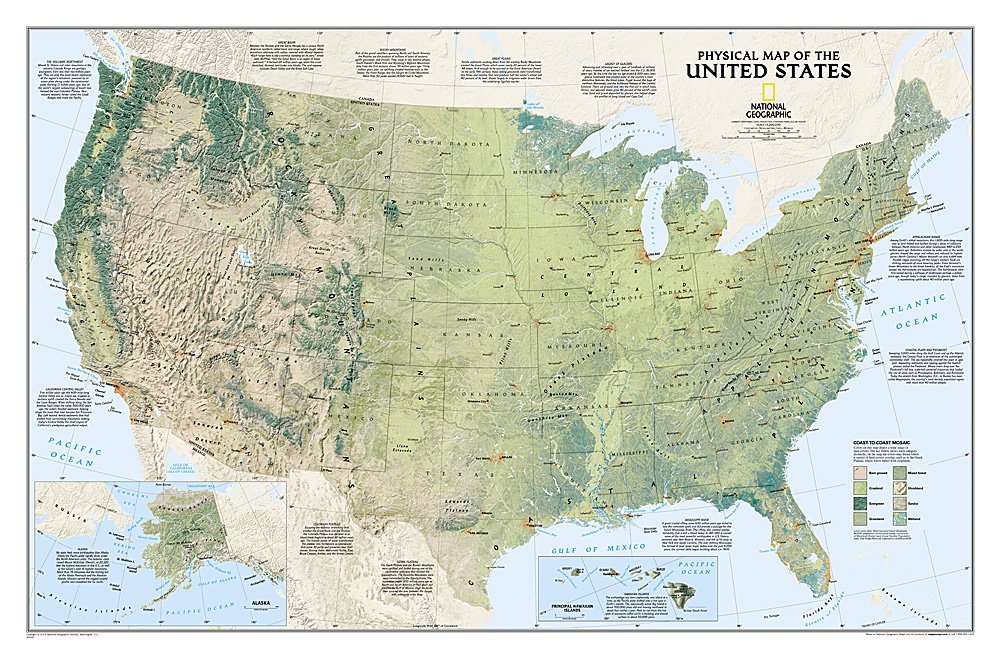
Since the US Open rotates venues across the country, your travel logistics change every year. A common error is booking lodging based solely on proximity to the course without considering traffic flow. Often, staying in a nearby town with direct highway access is faster than staying in a boutique hotel right next to the tournament entrance that becomes a bottleneck. Checking the regional geography and traffic patterns beforehand ensures you spend more time watching golf and less time idling in a parking lot.
Navigate the Daily Pairings Without Stress
Relying on a single static printout of the schedule is a recipe for disappointment. Tee times shift due to weather delays or pace-of-play adjustments. The pro move is to utilize the official digital app for real-time updates, but keep a physical backup of the primary groups. To avoid the "mad dash" when a favorite player moves up in the schedule, identify "buffer zones"—holes with wide galleries where you can comfortably wait for the leaders to arrive without fighting for a square inch of grass.
Avoid the Mid-Day Energy Crash
Experienced golfers know that walking several miles in the sun can lead to a mental fog by 2 PM, exactly when the most exciting matchups usually hit the back nine. Instead of relying on expensive, long-line concession stands, pack high-protein snacks and electrolyte-heavy hydration. Setting a "maintenance schedule" for yourself—resting in shaded areas during the slower mid-round stretches—keeps your focus sharp for the final holes of the day.
Review Your Logistics One Last Time
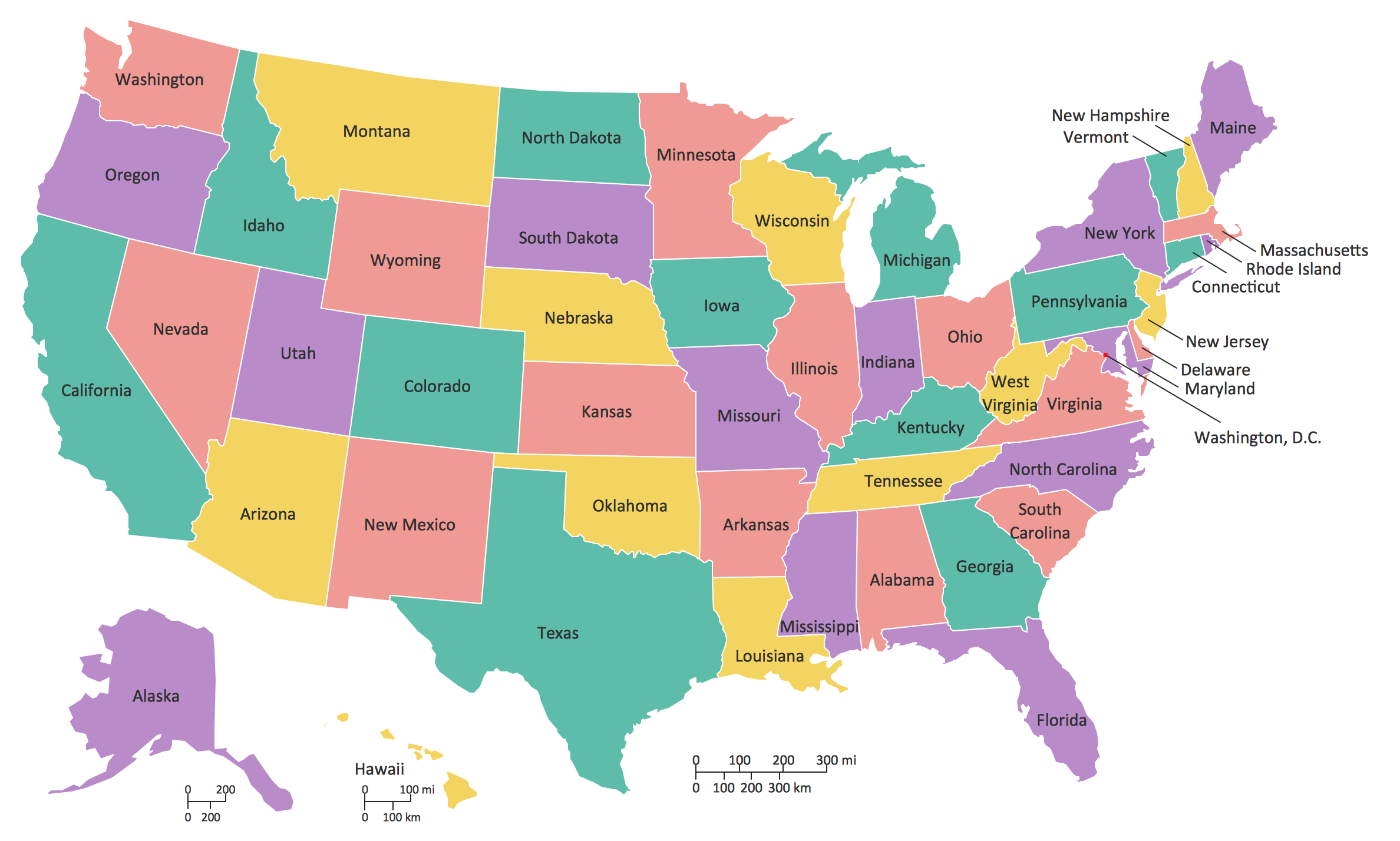
Before heading out, conduct a final audit of your gear and timing. Check the local weather forecast for the specific region hosting the event, as a sudden shift in wind or rain can change the viewing experience entirely. By treating your attendance with the same precision a pro treats their pre-shot routine, you transform a potentially chaotic weekend into a masterclass in sports tourism.
